  |
|
|
|
|
| ||||||
|
Cavers Churches
This contributed article forms part of the Douglas of Cavers collection
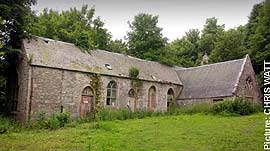
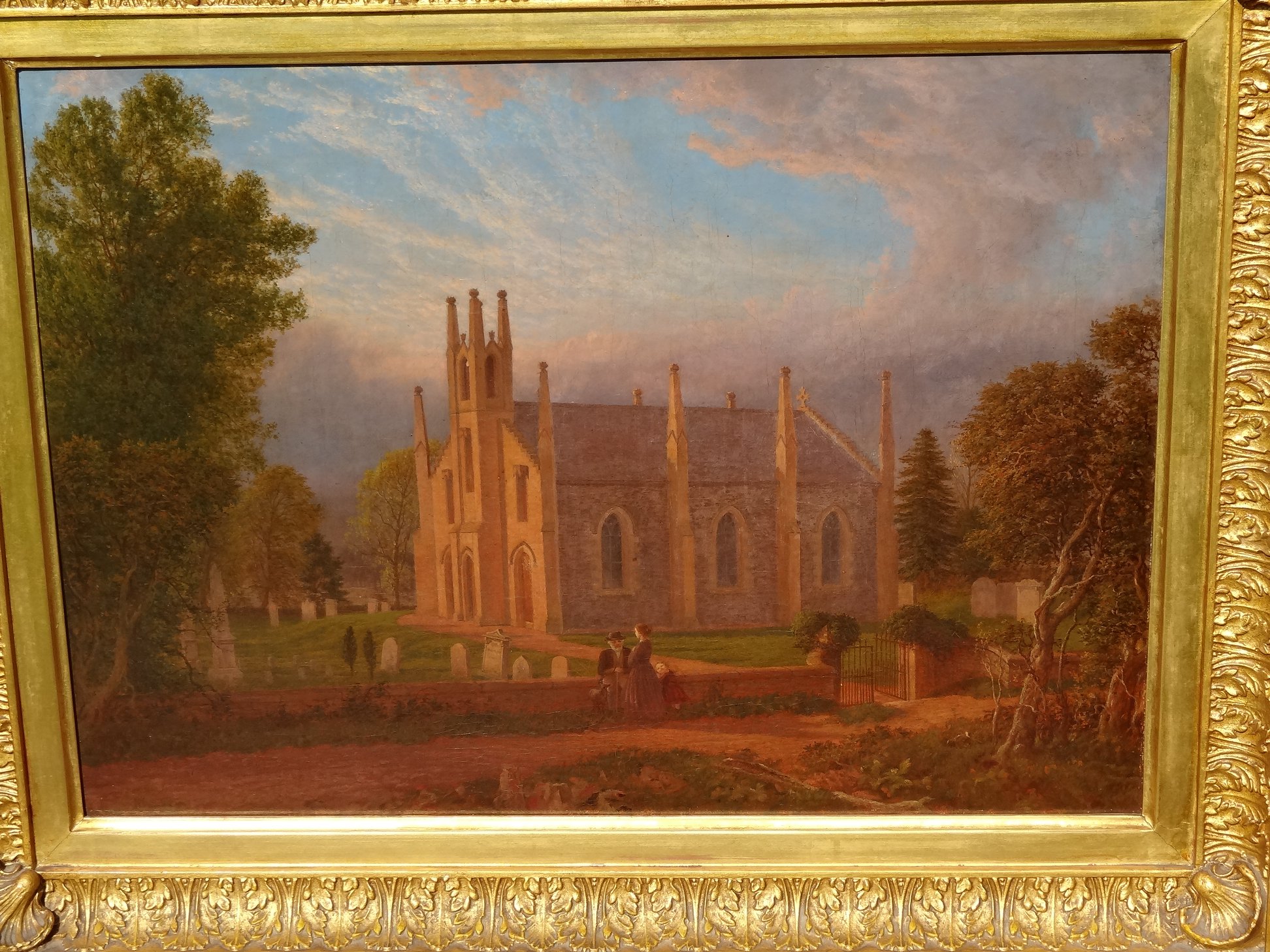
In 1388, William, the first Earl of Douglas, granted the entire advowson - the right to appoint clergy - of the Church of Great Cavers(1) to the monks of Melrose Abbey, along with all associated lands and privileges. This act consolidated the church’s ecclesiastical significance and tied it closely to monastic stewardship. A church erected in 1663 still stands today, though it was later replaced by a new building in 1822 to serve the growing parish. In 1850, Teviothead was formally disjoined from Cavers, marking a shift in local ecclesiastical boundaries. Beneath the church aisle lies a sealed vault said to contain generations of the Black Douglases, a powerful branch of the Douglas family whose influence shaped the region for centuries. The surrounding estate also bears traces of its religious past. The dominical lands of Denholm - church lands once held by the Cranstoun family - are believed to have been located at Honeytown by the Stonyburn, now known as Honeyburn. A house there still bears a cross on its northwest gable, a quiet testament to its sacred heritage. One enduring local tradition tells of monks travelling through a route known as the Cannon Gate, passing into Denholm en route to church properties on the Cavers estate. It’s said they kept an apiary at Honeyburn, returning regularly to collect honey—a small but vivid detail that links spiritual life with the rhythms of rural labour. The Covenanters In 1658, Denholm was reunited to the Cavers estate by Sir Archibald Douglas. The new Laird and his family were fervent Covenanters, bitterly opposed to the bishops and Anglican forms of worship which Charles 1st had tried to force upon the Presbyterian Church of Scotland. In 1662 the Douglas's refused to admit a curate sent by the official Church and representatives from Jedburgh were stoned by the women of Cavers. After this the Covenanters in this area were persecuted by the law and had to resort to to secret conventicles and prayer meetings in hidden places such as Pedens pulpit on Ruberslaw and Pedens Vale in Denholm Dean (just below the ruined cottage). In 1690 the Presbyterians were finally recognised as the established Church in Scotland but the strictest Covenanters would not join it. A group of them known as the Cameronians formed their own congregation in Denholm under the patronage of the Douglas family. The Cameronian Chapel We do not know what building they used until about 1740 when the old Cameronian chapel was built with the preachers house adjoining. The site, behind Poplar Nook on the Small Green, was given by the Laird. The Chapel had seating for 230 people and had three pulpits, the lowest one for the precentor. Seats and pulpits were later covered in red plush and the high pulpit ran the full length of the building. The Douglas family continued to reject the Established Church in their home village of Cavers and worshipped with the Cameronian "Dissenters" or "Independents" all through the 18th and 19th centuries. They would walk to Denholm and back every Sunday as it was held to be wrong to ride a horse on the Lord’s Day. Their route through the Dean became known as the "Kirk Walk". Presumably any Denholm Villagers who belonged to the Established Church would take the same path to and from worship to Cavers – but in the opposite direction. Ministers of Cavers include:
See also: • Charter for Kirklands of Cavers Notes: 1. The Church of Great Cavers was formerly known as the Church of Meikle Cavers, or Magna Caueris in Latin. A transcript of the charter and its interpretation can be found here>>>
For further reading on the Douglas of Cavers family, go here>>>
|
|
The content of this website is a collection of materials gathered from a variety of sources, some of it unedited. The webmaster does not intend to claim authorship, but gives credit to the originators for their work. As work progresses, some of the content may be re-written and presented in a unique format, to which we would then be able to claim ownership. Discussion and contributions from those more knowledgeable is welcome. Last modified: Sunday, 08 March 2026 |