'
Below is a full, draft for the Douglas Archives. It synthesises the historical record, integrates the verified facts from the *Fasti' and the Survey of Scottish Witchcraft, and adds contextual interpretation appropriate for a heritage audience. Citations appear where external sources provide specific details.
This page is a stub.
You can help improve it.
Rev. James Douglas, M.A. (fl. 1638-1646) - A minister of the
Covenanting era, noted for defending his parishioners during the 1640
levies
Introduction
Rev. James Douglas, M.A., emerges
from the records as a thoughtful and quietly principled minister whose
career intersected with the turbulent years of the Covenanting movement.
Though not one of the era’s celebrated figures, his story offers a
valuable glimpse into the pressures placed upon rural clergy and their
congregations during the Bishops’ Wars. He served first in the
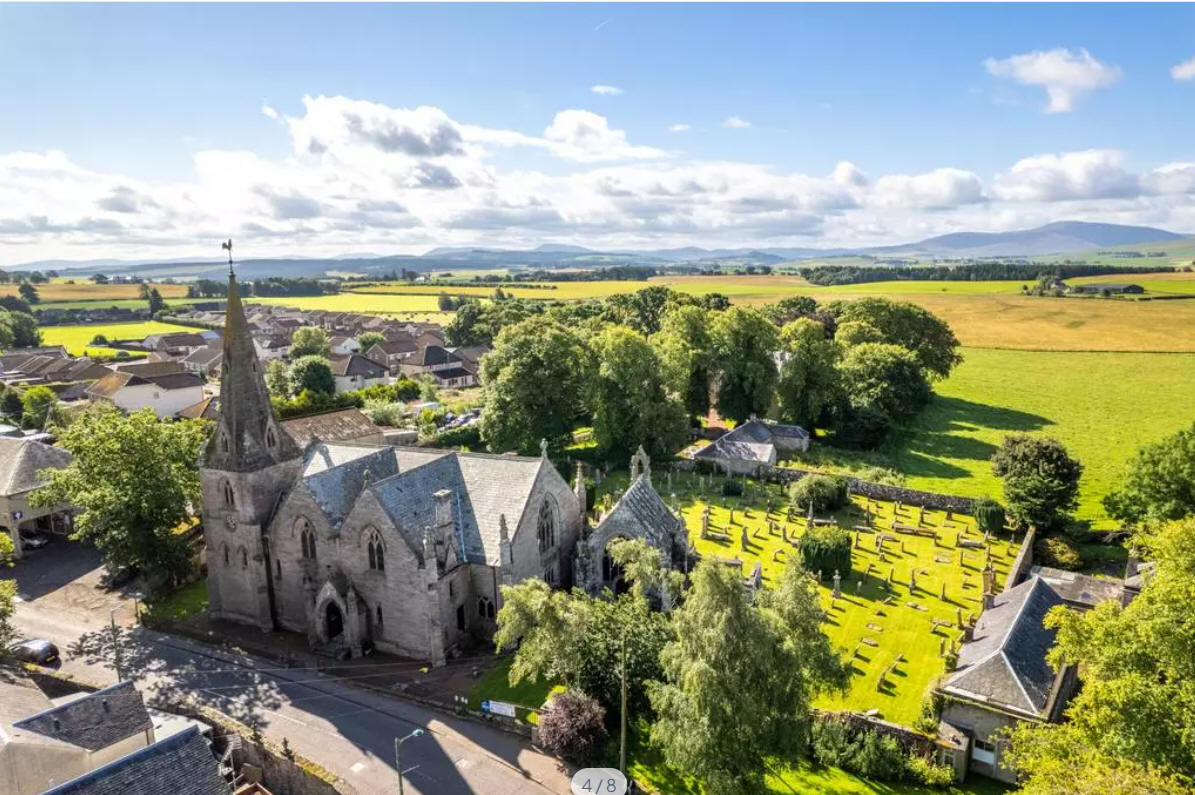
Presbytery of Lanark, then at Carnwath, where he ministered from 1640 to
1646.
Early Ministry and Education
Douglas graduated M.A., almost certainly from one of the Scottish universities feeding the ministry—St Andrews, Glasgow, or Edinburgh—though no surviving matriculation record has yet been tied to him. He was admitted to the ministry in 1638, at the height of the Covenanting mobilisation.
His early charge (likely in the Lanark district) placed him in a region heavily affected by military musters, requisitions, and political scrutiny.
The 1640 Levy Controversy
The defining episode of Douglas’s early ministry occurred in the summer of 1640, during preparations for the Second Bishops’ War. Local “country-folk” from Biggar and Lanark Moor had been
forced into the levy and subsequently fled the muster. Douglas publicly defended these parishioners, arguing that their reluctance stemmed from coercion rather than disloyalty.
This act of pastoral advocacy brought him into conflict with the Presbytery:
- He was censured for his defence of the runaways.
- He was compelled to make
public recantation both in his own parish and in the Laigh Kirk of
Lanark.
- On 5 November 1640, he was ordered to resign his charge.
This episode reveals a minister willing to challenge ecclesiastical authority when he believed his parishioners were being treated unjustly. It also illustrates the intense pressure on clergy to support the Covenanter military effort.
Translation to Carnwath (31 December 1640)
Despite the severity of the censure, Douglas was *ranslated to Carnwath less than two months later, on 31 December 1640. This rapid reassignment suggests a compromise: he was removed from the parish where the controversy had occurred but not expelled from the ministry.
The Survey of Scottish Witchcraft confirms his tenure:
- Minister at Carnwath, 1640–46
- Involved in 1644 (likely in kirk-session investigations rather than as an accused party)
A related entry lists him as an investigator in several cases in 1644–45, including those of Jean Lachlane, Margaret Reid, Kathren Shaw, and Margaret Watsoun.
This places him squarely within the normal disciplinary and moral oversight expected of ministers of the period.
Carnwath in the 1640s
Carnwath parish lay in a region deeply affected by:
- Repeated Covenanter levies
- Economic strain and requisitions
- The campaigns of Montrose (1644–45)
- Local feudal tensions and shifting loyalties
A minister in Carnwath during these years would have been responsible for maintaining kirk discipline, supporting families affected by war, and navigating the demands of both local lairds and presbyterial authorities. Douglas’s earlier defence of rural parishioners suggests he may have been particularly sensitive to the burdens placed upon ordinary people.
Family Connections
No direct genealogical record
securely links Rev. James Douglas, M.A., to any of the major Douglas
lines. The 'Fasti' does not list his parentage, marriage, or children.
A FamilySearch entry exists for a James Douglas (1590–1640) of Peeblesshire, married to Janet Mutare and father of several children, including a Sir James Douglas (b. 1622).
However, this individual died in 1640, the same year our minister was translated to Carnwath and subsequently served until 1646. The dates therefore
exclude this Peeblesshire James Douglas from being the same man.
At present, no confirmed family connection has been identified. He may have belonged to one of the many cadet or unrecorded branches of the wider Douglas kindred, but the surviving record is silent.
Later Years and Death
Douglas’s ministry at Carnwath ends in 1646, after which the record falls quiet. The absence of further entries suggests one of three likely outcomes:
- He died during the mid‑1640s, a period marked by plague and hardship.
- He demitted or was replaced due to political or ecclesiastical shifts.
- He
moved to another parish whose records have not survived.
No testament, burial record, or subsequent appointment has yet been identified.
Assessment
Rev. James Douglas stands as a representative figure of the Covenanting clergy: educated, dutiful, and caught between national ideology and local pastoral responsibility. His defence of the Biggar and Lanark parishioners shows a minister willing to risk censure for the sake of his flock. His later work in Carnwath reflects the steady, often unrecorded labour of maintaining order and care in a time of national upheaval.
Though his family origins remain obscure, his story enriches the broader tapestry of Douglas history by illustrating how members of the name served Scotland not only on battlefields and in great houses, but also in the pulpits and kirks of rural parishes.
br>
|