This page is a stub.
You can help improve it.
The Douglas family, originally of
Cavers in Roxburghshire, Scotland, established a notable Baltic branch in the eighteenth century. Through the Friarshaw cadet line, figures like
Gustav Otto Douglas and his son
Robert Wilhelm entered Swedish and later Russian service, securing noble standing and estates in Estonia. From manors such as Albu and Kukavere, the family integrated into Baltic-German society, intermarried with prominent houses, and bridged Scottish heritage with local aristocratic life.
Origins and arrival
- Scottish roots: Descended from the Douglases of Cavers via the Friarshaw branch, long associated with military service and cross-border ties.
- Baltic foothold: Gustav Otto Douglas established the family in Estonia; his son
Robert Wilhelm Douglas (1724–1778) consolidated their position as landowners under the Russian Empire.
- Noble recognition: Admission to regional knighthoods affirmed status and responsibilities within the Baltic nobility.
Key estates
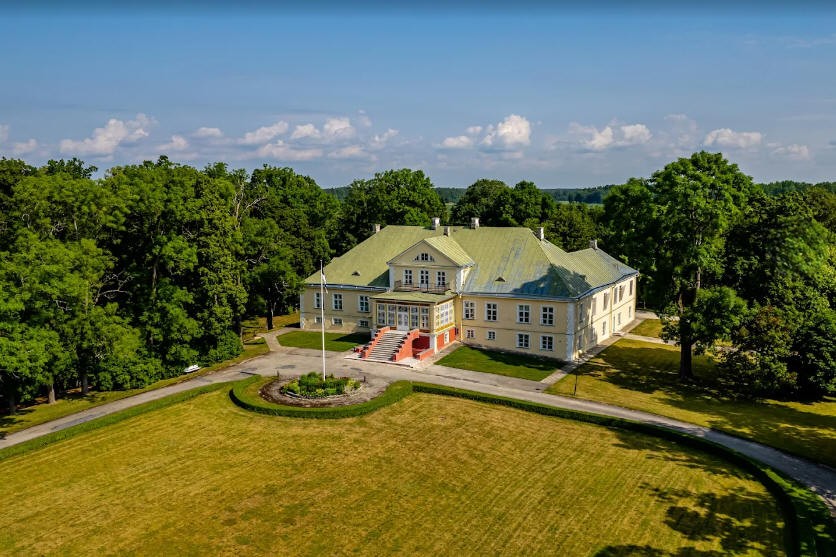
Albu manor, Järvamaa
- Principal seat: Became the central Douglas estate after 1778.
- Long stewardship: Robert Archibald Douglas
(1754–1818) managed Albu for four decades, anchoring the family’s presence in the region.
- Cultural landscape: Known for its manor architecture and curated interiors, reflecting Baltic-German taste influenced by wider European trends.
Kukavere estate
- Sibling settlement: Friedrich Anton Douglas (1764–1826) received ukavere through inheritance arrangements, underscoring how estates were balanced among heirs.
- Economic role: Functioned as a working estate integrated into local agrarian networks and noble administration.
Notable personalities
- Robert Wilhelm Douglas: Colonel in the Russian army and conscientious estate manager, remembered for orderly governance.
- Robert Archibald Douglas: Eldest son and “favourite grandson” of Gustav Otto; landowner at Albu from 1778–1818, central figure of the Estonian branch.
- Friedrich Anton Douglas: Youngest of the surviving sons; participated in the 1783 inheritance contract, exchanging Albu for Kukavere in a pragmatic family accord.
Society, marriage, and continuity
- Baltic-German ties: Marriages into families such as von Knorring and von Mohrenschildt strengthened local legitimacy and networks.
- Service and administration: Military careers transitioned into estate management, legal obligations, and regional governance typical of knighthood families.
- Heritage weaving: Scottish identity persisted through names, alliances, and remembered lineage, while daily life reflected Baltic customs and responsibilities.
Why the Estonian ouglases matter
- Cross-European story: They exemplify how Scottish cadet branches adapted abroad, merging martial reputation with landholding and civic roles.
- Local impact: Their stewardship shaped manorial landscapes, economies, and cultural life in Järvamaa and beyond.
- Enduring legacy: The Estonian line connects the Borders to the Baltic, offering a tangible narrative of migration, integration, and continuity suited to heritage interpretation.
Contributions
Do you have an ancestor whose
story should be told here? Can you add to this article? Please let us have the details.
|





.jpg)