|
| |
The Douglas-Pennant Family
It was Richard Pennant, (1737? -1808), who first set
the industry on its entrepreneurial phase. Though of Flintshire
lineage, Richard Pennant was a Liverpool merchant prince who founded
his fortune on the slave trade and inherited estates in Jamaica. On
December 6, 1765 he married Ann Susannah, daughter and heiress of
General Hugh Warburton (1695-1771) who held part of the moiety of
the Penrhyn estate. In 1783, he was raised to the peerage of the
Kingdom of Ireland as Baron Penrhyn of Penrhyn in the County of
Louth. Holding an Irish peerage, he was not disqualified from
sitting in the House of Commons, which he did. This is a brilliant
example of the political intrigues that were prevalent in those
times. He sat as member for Peterfield from 1761-1767, for Liverpool
from 1768-1780 and again for Liverpool from 1785-1790.
Richard Pennant, (1737? -1808) employed as his steward William
Williams, (1738-1817), to whom must be given the credit for
suggesting the development of galleries in the Penrhyn Quarry to
Pennant. William Williams ran the quarry on a purely capitalistic
basis, thus changing permanently the infrastructure of the industry.
Before his retirement on a pension in 1803 from an indebted Lord
Penrhyn, he was to administer efficiently the modes of production,
exporting and the selling of slate among many other
responsibilities. His contribution cannot be ignored. On Lord
Penrhyn’s death in 1808, and his widow in 1816, the Penrhyn estate
descended to George Hay Dawkins (1763-1840), his cousin, who
inherited not only the whole of the Penrhyn estate, but also the
Jamaica plantations and the wealth that came with them. He not only
started expanding the estate by purchasing various parcels of land,
but also by the buying of most of the hotels in the city of Bangor.
Also, between 1821 and 1836, he was responsible for the building of
the present Castell Penrhyn
to the designs of Thomas Hooper. On his death in 1840 he had
named his daughter, Juliana, as heiress to all his properties and
his son in law, Colonel Edward Gordon Douglas (1800-86), as the
second in line to the succession so long as they assumed the surname
and arms of Pennant, to which they readily agreed. Two years later,
she died at Pisa, and her widowed husband inherited. From 1841-1865
he represented the county of Caernarfonshire in Parliament. He was a
very energetic landowner who extended the estate not only in Wales,
but also by purchases in England. By 1871, he had the largest rental
in the county. He entertained Victoria at Penrhyn in 1859 and was
raised to the Peerage of the ‘United Kingdom’ in 1866 as Baron
Penrhyn of Llandegai. His son was elected unopposed to his seat in
the House of Commons. On his death in 1886, he was succeeded as
owner of Castell Penrhyn, the Penrhyn estate, the
Penrhyn quarry, Wicken
Park as well as the plantations on Jamaica, by his oldest son,
George Sholto Gordon Douglas-Pennant, (1836-1907.) There is
an anecdotal story told by W.J. Parry, (1842-1927) regarding an
incident during the 1865, which is probably a key fact to the
character of the second Lord Penrhyn. S uddenly I heard Colonel Pennant call
me, -“Parry, come back. Call the men back…tell them this is my son
and heir, George” After I had translated, he added, “Tell them to
beware not to offend George, for if they do, he will never forgive;
he can never forgive.” After I had translated, he added, -“It is so
George, is it not? He looked over his shoulder, and without turning
round said, -“Let them try, and they will see”… This one fact
hid so many of his virtues. Born in 1836, George Sholto
Gordon Douglas-Pennant inherited the parliamentary seat for the
County of Caernarfon, vacated when his father was raised to the
peerage. Two years later, he lost it to the Liberal cause. He
retrieved the seat in 1874 only to lose again in 1880. From all
accounts he was an excellent landowner but his relations with his
quarrymen degenerated into industrial disputes, culminating in the
terrible strike of 1900-03. He regarded that any threat to his
authority had to be met head on. The financial empire managed from Castell Penrhyn
was immense. Not only was he the third biggest landowner in Wales
but was also the owner of one of the largest slate quarries. His
profits of £133,000 from the quarry in 1899 were twice as big as his
rentals. In 1890 Carmen Sylva, Queen of Romania
stayed at the castle and planted a tree to mark the occasion. Four
years later, Albert Edward, Prince of Wales stayed there with his
wife and daughters on their foray to the National Eisteddfod, held
that year at Caernarfon. Dying in 1907, the squire of Penrhyn was succeeded by his son Edward
Sholto Douglas-Pennant, 1864-1927 (third Baron Penrhyn of Llandygai).
Outlying parts of the estate began to be sold off to pay death
duties in 1907, and more sales took place in 1910, 1912 and 1925.
Hugh Napier Douglas-Pennant, (1894-1949) thus inherited a smaller
estate. Death duties also forced him to sell property. The Jamaica
estates were sold in 1933 followed by more property in
Caernarfonshire in 1939. On his death in 1949, the title and estate
were split. His niece, Lady Janet Douglas Pennant (1923-97)
inherited Castell Penrhyn, the quarry and the estate. Two years
later she reached an agreement with the Treasury by which Castell
Penrhyn and a large part of the estate were transferred to them in
lieu of death duties. In turn, the Treasury transferred them to the
National Trust. Separating the quarry and estate interests in the
same year, a limited company was formed to run the quarry. In 1973
she sold her remaining fifty one per cent shareholding in the
company and the link between the Penrhyn family and the quarry were
severed.
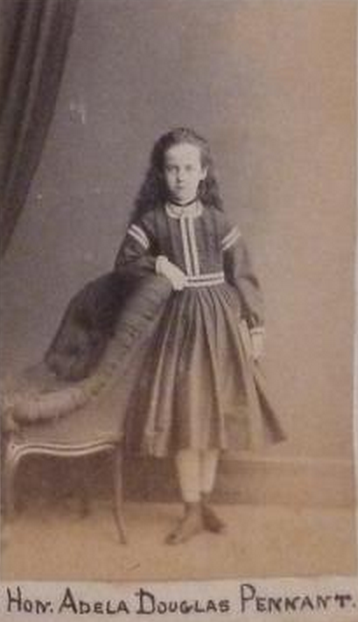
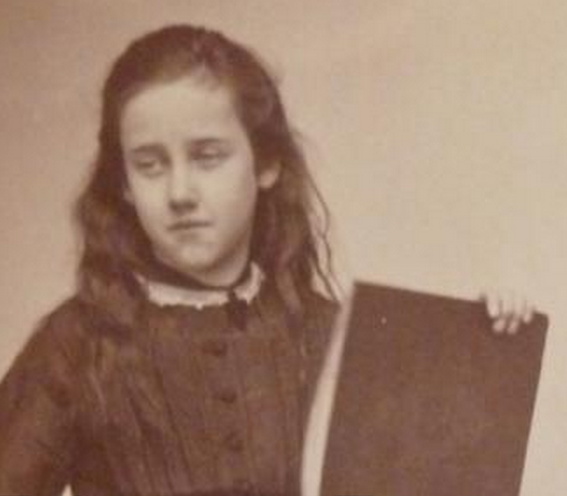
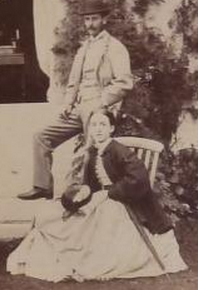
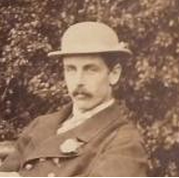
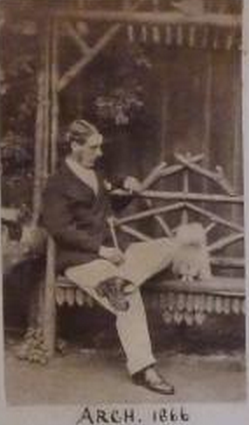
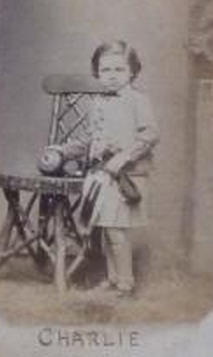
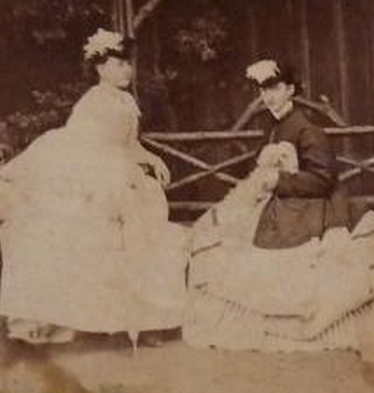
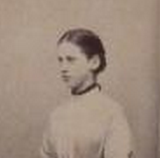
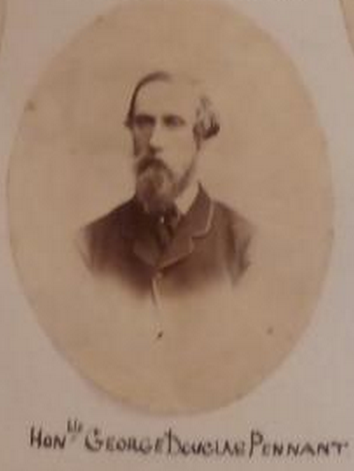
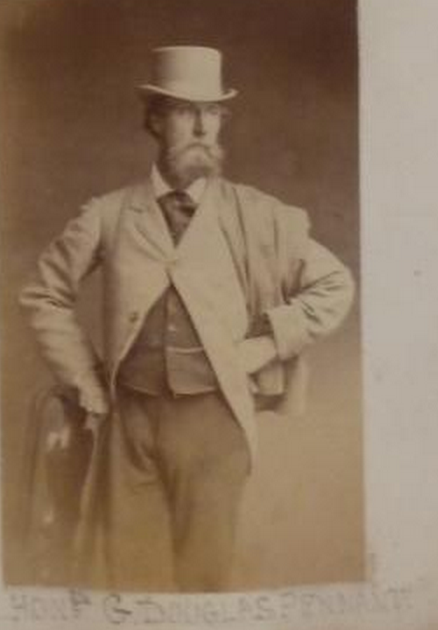
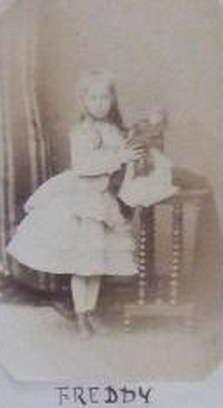
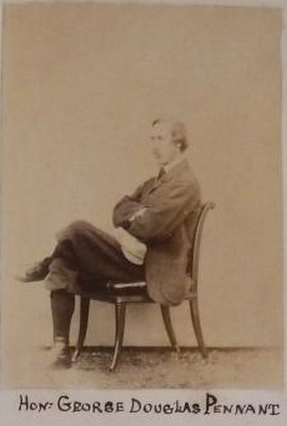
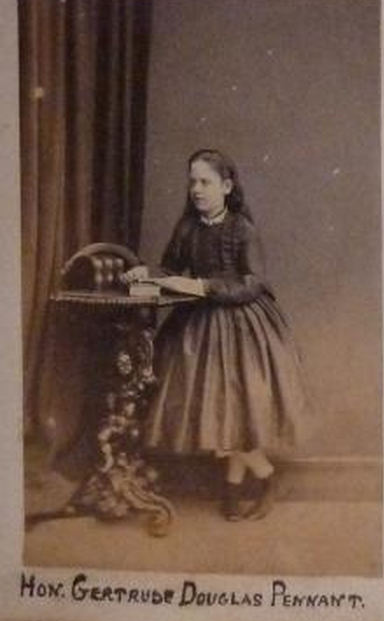
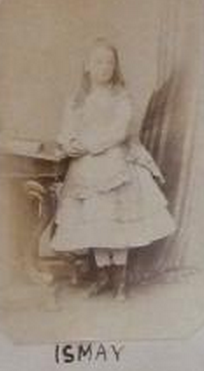
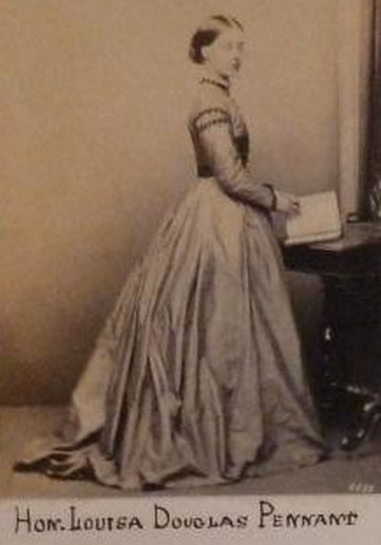
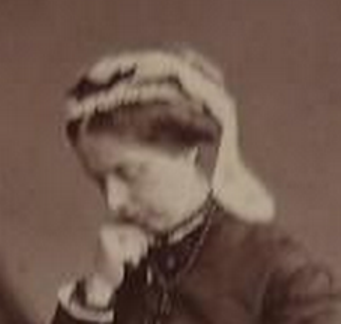
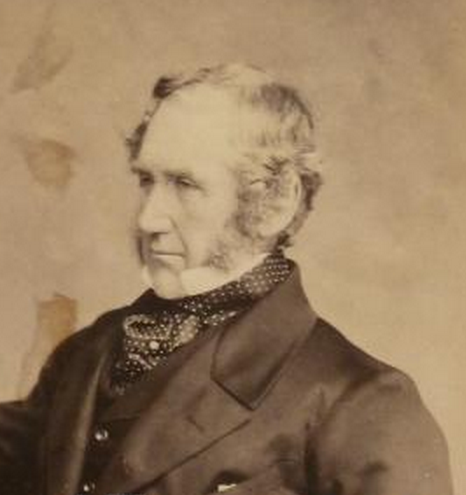
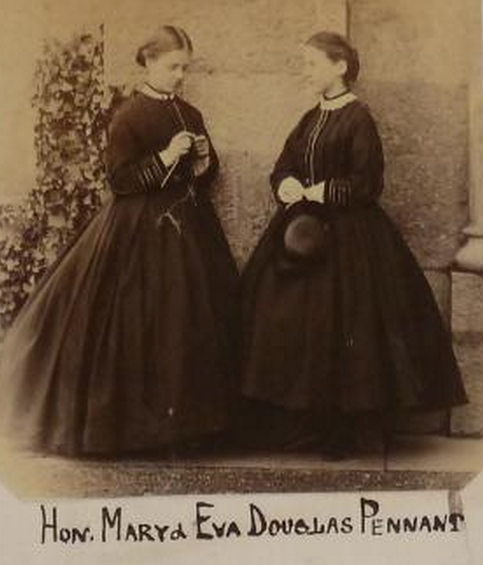
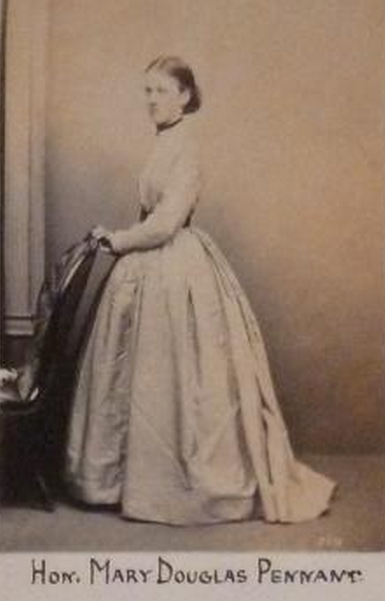
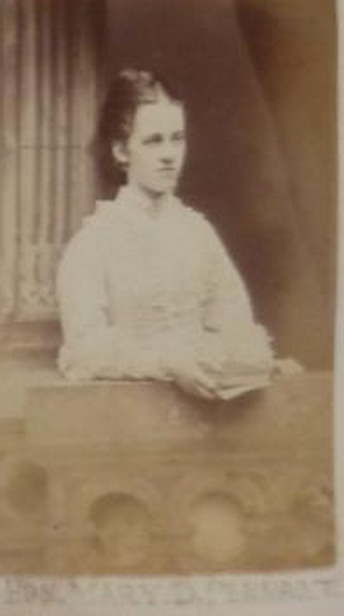
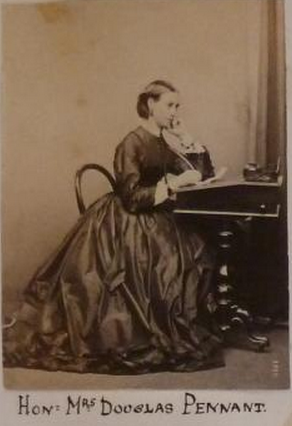
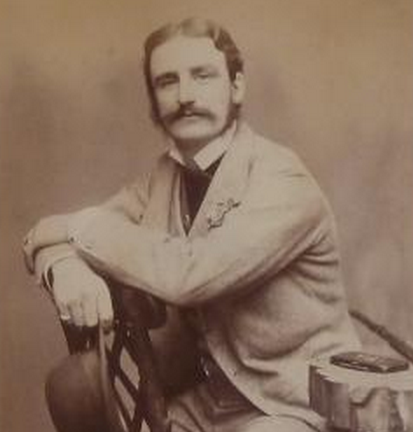
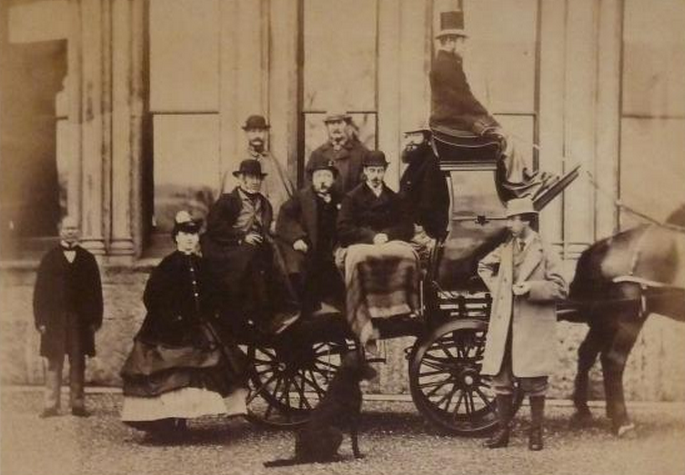
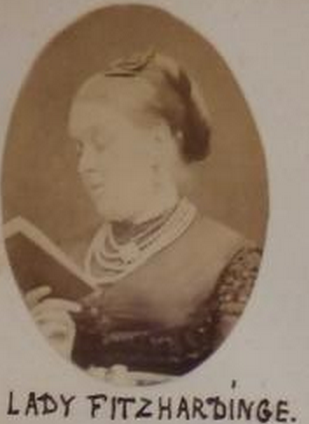
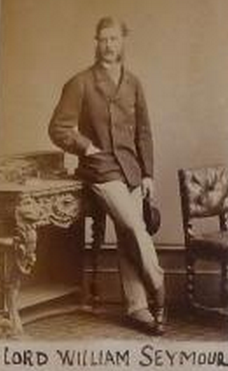
Admiral The Honourable Sir Cyril Eustace Douglas-Pennant, 1894 – 1961Alan George Sholto Douglas-Pennant, 1890-1914 Archibald & Eleanor Douglas-PennantCharles Douglas-Pennant, k1914Colonel Malcolm Frank Douglas-Pennant, 6th Baron Penrhyn 1908-2003Edward Douglas-Pennant, 1st Baron Penrhyn, 1800 – 1886Edward Sholto Douglas-Pennant, 3rd Baron Penrhyn (1864 – 1927) George Douglas-Pennant, 2nd Baron Penryn, 1836-1907George Henry Douglas-Pennant, k1915Hugh Napier Douglas-Pennant, 4th Baron Penrhyn, 1894-1949 Muriel FitzRoy, 1st Viscountess Daventry, 1869-1962Sheila Douglas-Pennant, b1918Simon Douglas-Pennant, 7th Baron penrhyn, b1938Violet Douglas-Pennant, 1869-1945The photographs below are taken from an album of
Lt Col Hon Archibald Charles Douglas Pennant and his wife Hon
Harriet Ella Gifford. It is inscribed Ella on the front cover and
begins around 1864 (this is the first dated photograph), a year
before Ella and Archibald's marriage, and runs through to C.1870. At
the time of writing (September 2014), The National Trust are hoping to acquire
the album and place it in Penrhyn Castle.
 |
 |
 |
 |
| Adela |
Adela |
Arch and Ella |
Arch |
 |
 |
 |
 |
| Arch in 1866 |
Charlie |
Eva and Ella with Puff |
Eva |
 |
 |
 |
 |
| George |
Unknown |
Winifred |
George |
 |
 |
 |
 |
| Eleanor |
Emma |
Gertrude |
Ismay |
 |
 |
 |
 |
| Louisa |
Lady Penrhyn |
Lord Penrhyn |
Mary & Eva |
 |
 |
 |
 |
| Mary |
Mary |
Mrs Douglas-Pennant |
Thomas Kingscote |
 |
 |
 |
 |
| Shooting party |
Lady Fitzhardinge |
Lord Seymour |
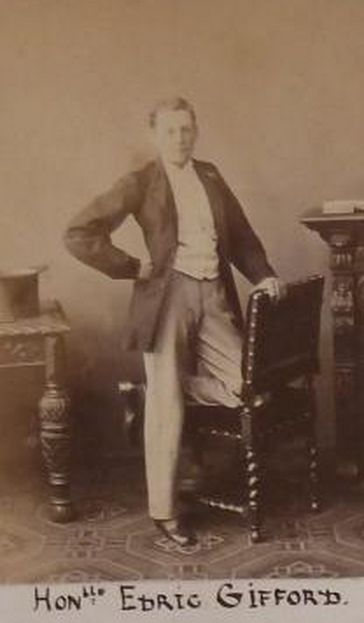
Edrig Gifford |
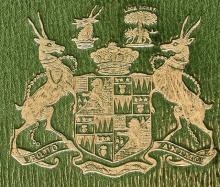
Coat of
arms of George Sholto Gordon Douglas-Pennant, 2nd Baron Penrhyn
(1836 - 1907)
Motto: Æquo animo
Coronet: Baron
Crest:
1. Out of a ducal coronet an antelope’s head argent (Pennant); 2. A
boar behind an oak tree, above the motto: LOCK SICKER (Douglas)
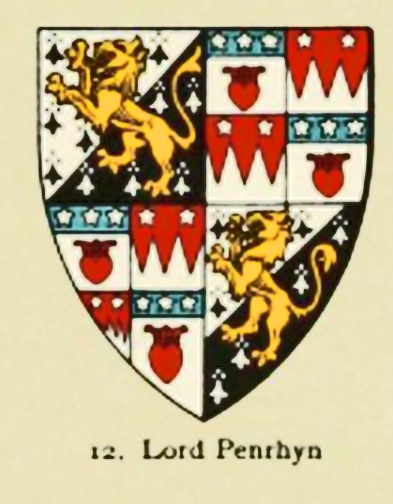
Arms: Quarterly 1 & 4 per bend sinister ermine and ermines, a lion
rampant or, a canton sable (Pennant) 2& 3 quarterly 1 & 4 argent a
human heart ensigned with a crown or, on a chief azure three mullets
2 & 3 argent three piles gules and in chief two mullets
Quarterings: 1 & 4 per bend sinister ermine and ermines, a lion
rampant or, a canton sable (Pennant) 2& 3 quarterly 1 & 4 argent a
human heart ensigned with a crown or, on a chief azure three mullets
2 & 3 argent three piles gules and in chief two mullets (Douglas)
Supporters: Two antelopes collared and chained, the dexter
having suspended from its collar an escutcheon charged with a man’s
head couped affronty |
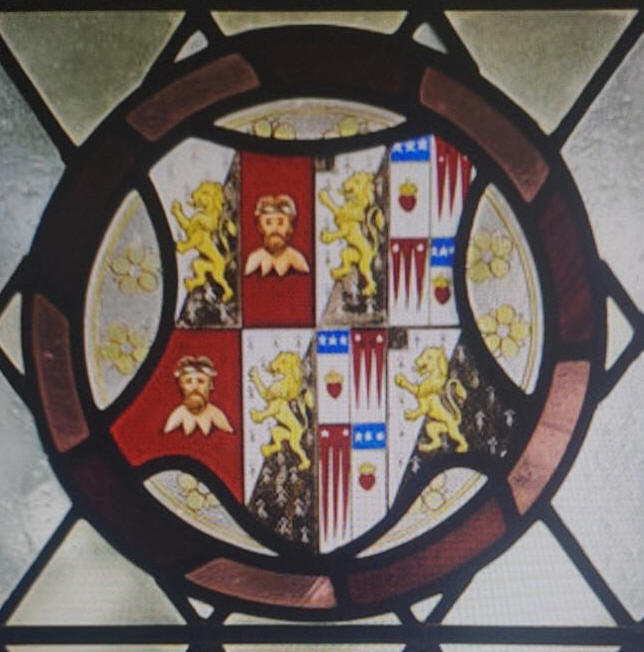 |
Stained glass, Douglas-Pennant/Lloyd-Mostyn armorial at Bodysgallen Hall, Llandudno, Conwy, Wales
Douglas Pennant Crest
"1st, Out of a ducal coronet an antelope's head argent, maned and tufted or, charged on the neck with a cross crosslet sable, for distinction; 2nd a sanglier, statant, between two clefts of an oak tree, with a chain and lock holding them together all proper, and above it the motto Lock sicker."
Escutcheon
"Quarterly: 1st and 4th per bend sinister ermine and ermines, a lion rampant or (Pennant), 2nd and 3rd grand quarters quarterly, 1st and 4th argent, a man's heart gules, ensigned with an Imperial crown proper, on a chief azure, three mullets of the field; 2nd and 3rd argent, three piles gules, on the two outer ones a mullet of the field" (Douglas).
Supporters:
"On either side an antelope proper, collared and chain reflexed over the back or, and pendant from the collar of the dexter supporter an escutcheon gules, charged with the bust of a man's head affrontée proper."
Motto: Aequo Animo "With an even mind"
LLoyd-Mostyn Crest
"1st on a mount Vert a lion rampant Or 2nd a Saracen's head as in the arms 3rd a stag trippant Proper attired Or charged on the shoulder with an escutcheon of the second thereon a chevron of the first between three men's heads in profile couped at the neck also Proper."
Escutcheon
"Quarterly 1st & 4th per bend sinister Ermine and Ermines a lion rampant Or (Mostyn) 2nd & 3rd Gules a Saracen's head afftrontee erased at the neck Proper, wreathed about the temples Argent and Sable" (Lloyd).
Supporters:
"Dexter a stag Proper attired Or charged on the shoulder with an escutcheon Gules thereon a chevron Argent between three men's heads couped in profile Proper sinister a lion Or charged on the shoulder with an escutcheon Argent thereon a cross engrailed and fleurettee Sable between three Cornish choughs Proper."
Motto: Auxilium Meum A Domino (My Help Is From The Lord) |
See also:
Penrhyn Castle
•
The
Penrhyn Art CollectionPort Penrhyn
Douglas Arms, Bethseda
Llandygai village
Penrhyn Quarry
Sugar & Slavery
The Rise and
Fall of Violet Douglas Pennant [pdf]
Any contributions will be
gratefully accepted
Errors and Omissions
|
|
The Forum
|
|
What's new?
|
|
We are looking for your help to improve the accuracy of The Douglas
Archives.
If you spot errors, or omissions, then
please do let us know
Contributions
Many articles are stubs which would benefit from re-writing.
Can you help?
Copyright
You are not authorized to add this page or any images from this page
to Ancestry.com (or its subsidiaries) or other fee-paying sites
without our express permission and then, if given, only by including
our copyright and a URL link to the web site.
|
|
If you have met a brick wall
with your research, then posting a notice in the Douglas Archives
Forum may be the answer. Or, it may help you find the answer!
You may also be able to help others answer their queries.
Visit the
Douglas Archives Forum.
2 Minute Survey
To provide feedback on the website, please take a couple of
minutes to complete our
survey.
|
|
We try to keep everyone up to date with new entries, via our
What's New section on the
home page.
We also use
the Community
Network to keep researchers abreast of developments in the
Douglas Archives.
Help with costs
Maintaining the three sections of the site has its costs. Any
contribution the defray them is very welcome
Donate
Newsletter/Magazine
You can subscribe to our periodic magazine and
newsletters here>>>.
|
|
|
|
|
|
|
|
|
|