|
| |
The Barony of Buittle
|
|
|
The Barony of Buittle: A Douglas Lordship in Galloway
A Castle at the Heart of Galloway
The Barony of Buittle, centred on Buittle Castle near Dalbeattie, was one of the most important Douglas possessions in south‑west Scotland. Its story reflects the rise of the Douglases, the shifting balance of royal favour, and the Crown’s determination to reclaim authority during the turbulent reign of James V.
Buittle's prominence was rooted in its place within the lordship of Galloway, first consolidated under Fergus in the twelfth century, divided between his son Uchtred and Gilbert, and later absorbed into the Balliol inheritance
- linking the site to the shifting power and patronage of one of medieval Scotland’s most contested regions.
Douglas Beginnings
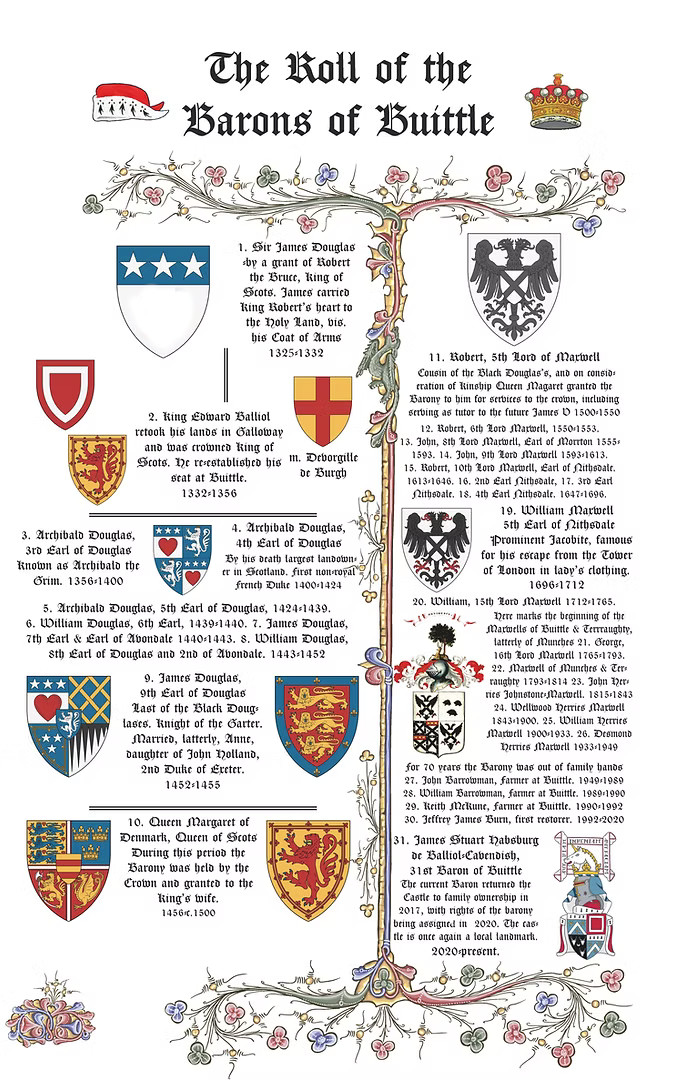
From the early 14th century, Buittle was closely tied to the Douglas family. The Douglases of Dalkeith held immediate regality over the barony from around 1325 until the mid‑15th century. Following the downfall of the Black Douglases in 1455, the Crown redistributed their vast estates, but Buittle remained associated with Douglas influence through the Dalkeith line.
The Earl of Morton and Royal Favour
By the early 16th century, Buittle was in the hands of James Douglas, Earl of Morton, and his wife Katherine Stewart. Despite Morton’s support for the regency of Archibald Douglas, 6th Earl of Angus, he managed to retain the favour of King James V.
- 1528: When Angus fell into disgrace, James V permitted Morton to arrange a marriage for his daughter into the powerful Maxwell family. At the same time, the royal comptroller discharged Morton from the rents owed for the Barony of Buittle.
- 1529: Morton was excused from military service due to infirmity. The king further forbade Lord Maxwell from interfering with the lands and revenues of Buittle, confirming Morton’s rights to hold them in feu (hereditary tenure).
Revocation and Royal Authority
In February 1532, James V annulled the charter he had previously granted to Morton for Buittle. The king declared that the grant had been made during his minority and to his disadvantage. This act was part of a broader royal policy: reclaiming lands and privileges that had been conceded to magnates while the king was underage, and reasserting direct Crown control over strategic lordships in Galloway.
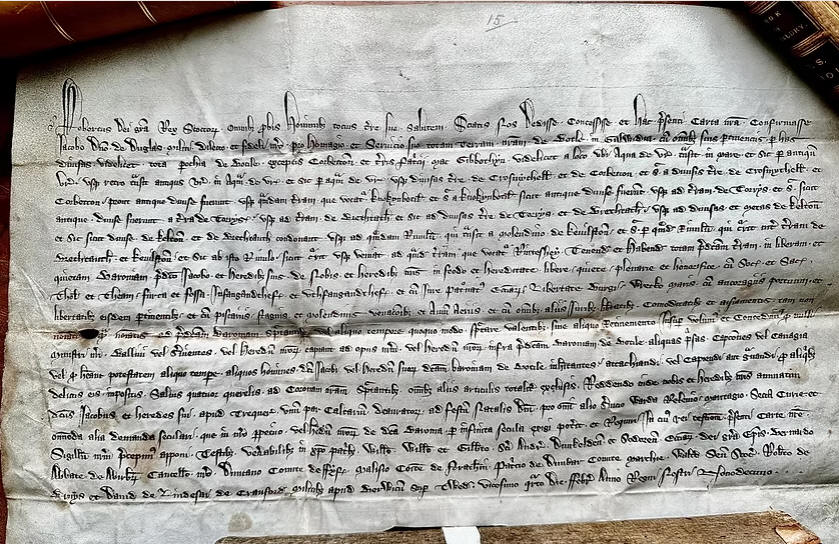
The charter’s extensive judicial powers (pit and gallows, outfangthief, burghal liberty, immunity from royal officers) place Buittle in the category of a regality, which displays the level of authority Bruce entrusted to Douglas.
Legacy of Buittle
The Barony of Buittle
illustrates the delicate balance between noble power and royal authority
in Renaissance Scotland. For the Douglases, Buittle was a symbol of
their reach into Galloway. For James V, it became a test case in curbing
magnate influence and restoring the prerogatives of the Crown.
Yet Buittle's story did not end with the struggles of the 16th century.
As far as can be told, the Barony of Buittle is one of the few in
Scotland which continues to maintain its Caput - its historic
headquarters - as the residence of the Baron of Buittle. Remarkably, the
dignity has never been bought or sold, but has instead passed down
through generations of those connected with the Castle.
The castle passed to the Maxwells, whose tenure rounded out Buittle's role in the long succession of regional lords.
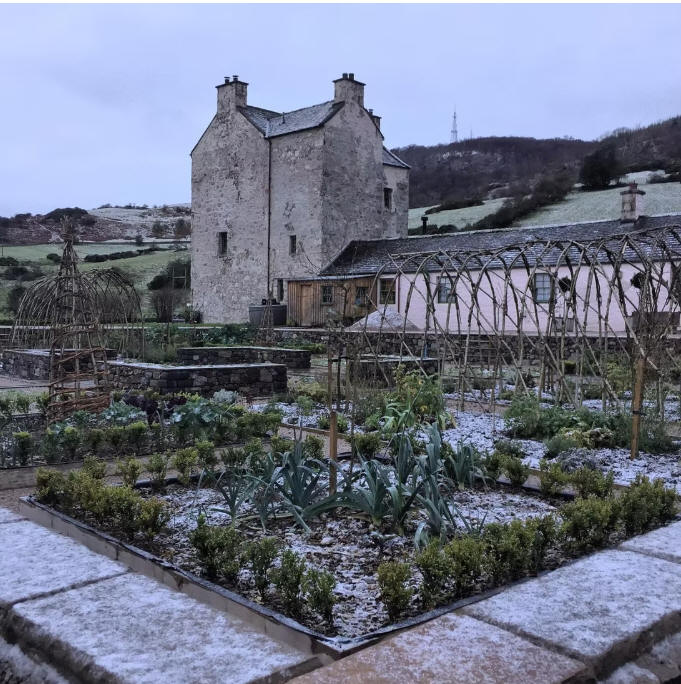
When James de Balliol-Cavendish, a descendant of the historic Barons, arrived
at Buittle Castle in 2017, he sought to re-establish the authentic
connection between the Barony and its ancestral home. After three years
of careful work to trace the holder of the dignity and explain the
initiative, James de Balliol-Cavendish became the 32nd Baron of Buittle
in 2020, by assignation—the legal instrument by which Scottish Baronies
are conveyed.
Today, James’s cousin Tobias, together with many
friends and family members, plays an active role in the life of the
Barony. Their mission is to uphold its traditions while ensuring they
remain relevant to the modern world. Buittle Castle thus stands not only
as a ruin recalling Douglas ambition and royal politics, but also as a
living heritage: a rare Scottish barony where the medieval past and
contemporary stewardship meet in continuity.
See also:
•
Buittle Castle
|
Source
Sources for this article include:
Barony of Buittle Ltd
James de Balliol-Cavendish of Buittle, 32nd Baron of Buittle
Images courtesy of Buittle Castle
Contributions
Do you have an ancestor whose
story should be told here? Can you add to this article? Please let us have the details.
Any contributions will be
gratefully accepted
|
|